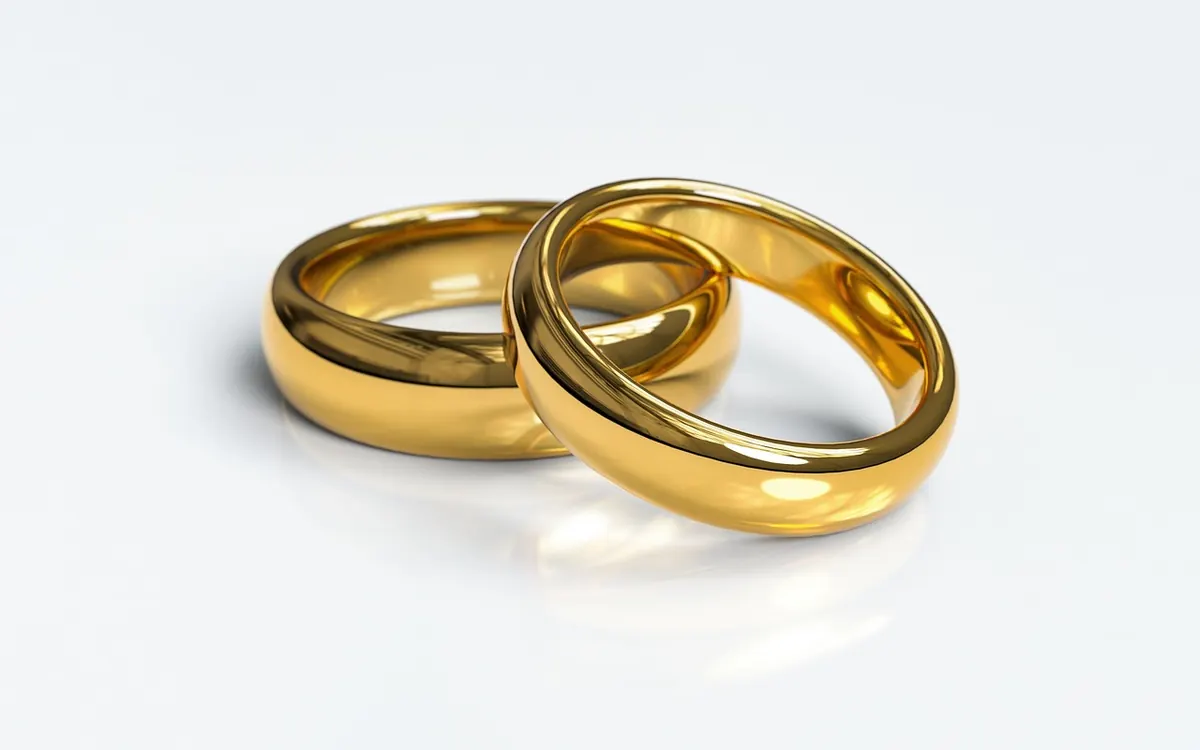
An opal ring catches light in a way few other stones can. That shifting play of color is also a reminder of how unusual the material is: opal is softer than quartz, contains water within its structure, and often sits in a setting with delicate prongs or a glued backing. None of that means you can't clean it yourself. It means you clean it differently from a diamond. With lukewarm water, a drop of mild soap, and a soft brush, most opal rings and pendants come up bright in a few minutes, with no risk to the stone.
First, Know What Kind of Opal You Own
Before you touch water, work out which type of opal you have. The cleaning method changes with the construction, and a few minutes of checking saves a lot of regret.
A solid opal is a single piece of natural opal cut from one stone. It is the most durable type and the most forgiving to clean. A doublet is a thin slice of opal glued to a backing, usually ironstone or black potch. A triplet adds a clear quartz or glass cap on top, held with more adhesive. On doublets and triplets the glue is the weak point: heat, prolonged soaking, and cleaning solutions can soften it or cloud the layers.
Then there is the water question. Many opals from Ethiopia are hydrophane, meaning they absorb water readily. A hydrophane stone can turn milky or lose its play of color after contact with water, sometimes taking days or weeks to recover, and repeated wetting is best avoided. If your opal came from Ethiopia and you are not certain of its type, treat it as water-sensitive: wipe it with a soft dry or barely damp cloth rather than washing it. When in doubt about any stone, ask the jeweler who sold it.
What You Need, and What to Leave in the Cupboard
The right kit is short and cheap. Assemble it before you start so you are not hunting for a cloth with a soapy ring in your hand.
- A mild, pH-neutral soap. Unscented baby shampoo or a gentle liquid hand soap works well. One drop is enough.
- Two small bowls of lukewarm water — one for washing, one for rinsing. Lukewarm means close to skin temperature, never hot.
- A very soft brush. A baby toothbrush with extra-soft bristles, or a soft makeup brush, reaches under the setting without scuffing the metal.
- A lint-free cloth. Microfiber or a well-washed soft cotton cloth. Paper towels and tissues leave lint and can micro-scratch polished metal.
- A hand towel to work over, plus a plug for the drain if you are near a sink.
- A wooden toothpick for grime in tight corners around the prongs.
Keep these well away from your opal: ultrasonic and steam cleaners, ammonia, bleach, chlorine, commercial jewelry dips, toothpaste, baking soda paste, vinegar, lemon juice, and any abrasive polish. Hot water and sudden temperature swings are equally unkind — going from a cold windowsill to a hot rinse can stress a stone. And never leave an opal to soak, even in plain water.
Step by Step: Cleaning an Opal Ring
- Set up over a towel with the drain plugged, then look closely at the ring. Check that the stone sits tight in its setting and that the prongs are not bent or worn thin. If the opal moves at all, or you see a crack or a chipped edge, stop and take it to a jeweler.
- Make a lukewarm bath in one bowl with a single drop of mild soap swirled through.
- Wet the brush and work gently around the setting, the gallery underneath the stone, and the inside of the band where soap, skin oils, and hand cream collect. The underside is usually where the dullness is hiding. Avoid pressing down on the face of the opal; let the bristle tips do the work.
- Rinse quickly in the second bowl of clean lukewarm water. Ten or twenty seconds is plenty. Do not walk away and let it sit.
- Pat dry immediately with the lint-free cloth, then let the ring air dry for fifteen to thirty minutes before wearing it, so any moisture trapped under the setting can escape.
- Finish the awkward spots with the toothpick, dry, wrapped in a little cloth so you don't scratch the metal.
Clean opal jewelry every few months, or sooner if you wear the ring daily. A quick wipe after each wearing does more for the stone than an occasional deep clean.
Opal Pendants Need a Slightly Different Touch
Pendants are easier in one way and trickier in another. The stone usually sits away from your hands, so it stays cleaner longer, but bails, caps, and delicate chain fittings trap dust and hold moisture.
Take the pendant off its chain if the design allows, and clean the chain separately. Lay the pendant flat on the towel rather than dangling it by the opal, which puts pressure on the setting and the bail. Use the same lukewarm soapy water and soft brush, paying attention to the gap between the stone and the bezel or cap. If the pendant is a doublet or triplet with an open back, keep the water contact brief and skip any soaking entirely. After rinsing, blot the bail thoroughly — water that lingers inside a closed fitting is what causes dulling and, over time, corrosion of the metal.
Water, Heat, and Chemicals: The Everyday Rules
Most opal damage at home does not happen during cleaning. It happens in the sink, the shower, the swimming pool, and the garden.
Take opal rings off before washing dishes, showering, swimming, or cleaning the bathroom. Chlorine and household cleaners are harsh on the metal and can affect the stone's surface; hot soapy dishwater is worse still. Apply hand cream, perfume, hairspray, and sunscreen first, let them dry, and put the jewelry on last. Remove rings before the gym, gardening, or any task where the stone might knock against a hard surface — opal chips and scratches more easily than most jewelry stones.
Heat and dryness matter too. Don't leave opal jewelry on a sunny windowsill, on a radiator, or in a hot car. Because opal holds water within its structure, repeated exposure to heat and very dry air can lead to fine surface cracks known as crazing. That damage cannot be reversed.
Drying, Storing, and a Few Good Habits
Store opal pieces separately in a soft pouch or a lined compartment, not loose in a box with diamonds, sapphires, or other hard stones that will scratch it in transit. A jewelry box in a normal room is fine; avoid sealed dry safes and desert-dry drawers for long periods, and equally avoid damp basements.
Have your jeweler check the setting once a year, especially on a ring you wear often. Prongs thin out quietly, and a loose opal is far cheaper to tighten than to replace.
When to Let a Jeweler Take Over
Some jobs are worth paying for. A loose or worn setting, a chipped edge, a crack that has started to spread, a doublet whose layers are separating, or a hydrophane opal that has gone cloudy all call for professional hands rather than a bowl of water at home. The same goes for antique or high-value pieces, where a jeweler can clean and inspect in one visit. For everything else, lukewarm water, one drop of mild soap, a soft brush, and a quick, careful rinse will keep an opal looking the way it did the day you first saw it.
Photo: anncapictures / Pixabay