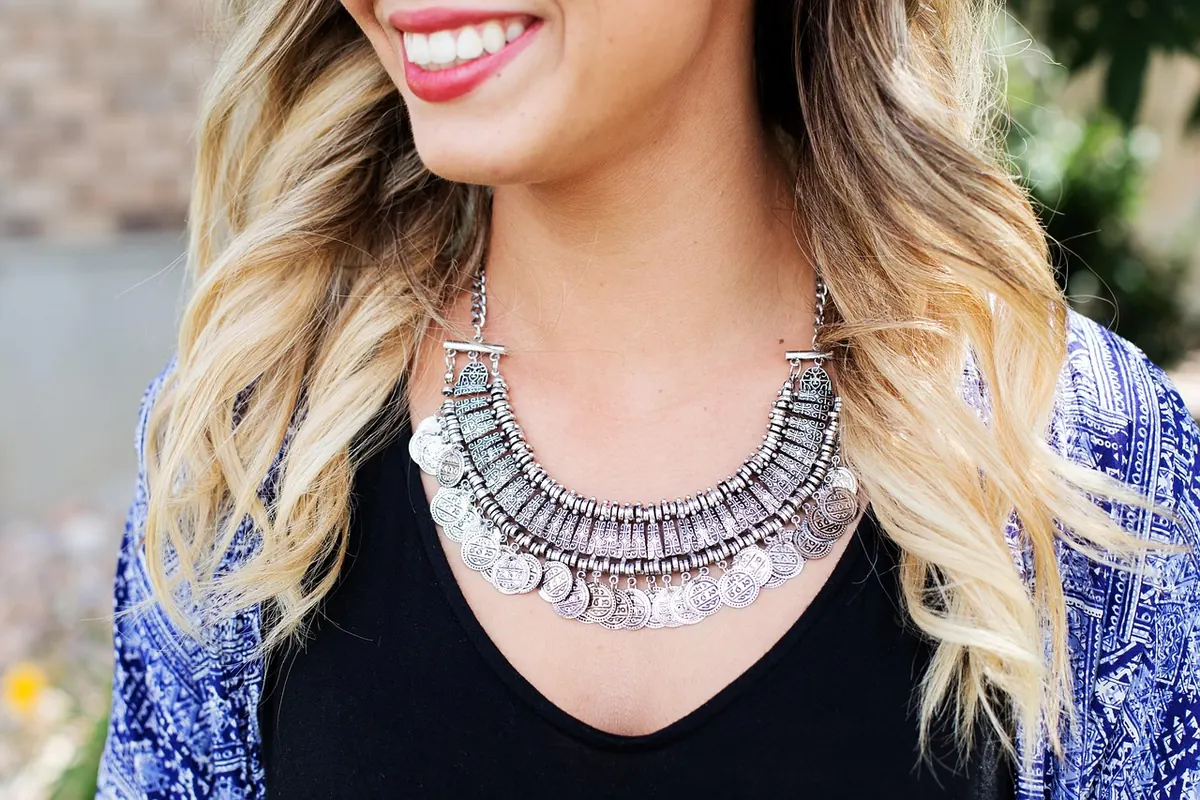
June birthdays come with a useful piece of luck: the birthstone is one of the most distinctive in the jeweller's case. Opal doesn't look like anything else. Where a diamond throws white light and a sapphire holds one deep colour, opal shifts. Turn a pendant under a lamp and the flash moves from green to blue to a warm pinfire of orange. That movement is the whole appeal, and it's also why opal makes a memorable gift — it catches the eye before the box is even open.
The catch is that opal rewards a little knowledge. Two stones of similar size can differ widely in price depending on the type, the pattern and how they're set, and a gift bought in a hurry can end up as a beautiful stone in the wrong frame. This guide sorts the options into budget bands, covers the ring and pendant styles that work best at each level, and points out the small decisions — backing, metal, chain length, setting height — that make the difference between a piece worn once and a piece worn every week.
Know the three opal types before you shop
Most buying confusion disappears once you can name what you're looking at. In jewellery, three categories cover nearly everything you'll see in a shop or an online listing.
- Solid opal — a single, natural piece of opal cut and polished. This is the benchmark, and it carries the widest price range because quality varies so much. A solid stone needs a little care, but it's the real thing and holds its value best.
- Doublet — a thin slice of opal glued to a darker backing, usually ironstone or black potch. The backing deepens the colour and adds strength. Good value for pendants, less suitable for rings that take knocks.
- Triplet — a thin opal slice on a backing, capped with a clear dome of quartz or glass. Lighter and cheaper, fine in a pendant, but the cap can scratch with hard daily wear.
If the recipient is hard on jewellery — gardening, gym, keys in the same pocket — a doublet pendant is a sensible, honest choice. If the gift is meant to last a generation, buy the best solid stone the budget allows and skip the rest.
Under roughly €150: small, bright and beautifully set
At entry level, don't chase size. Chasing carats on a small budget is how people end up with a large, milky stone that looks flat in daylight. Instead, buy a smaller stone with visible play of colour and put the money into the setting.
Rings
A slender band with a 4–6 mm cabochon in a bezel setting is the reliable choice here. The bezel — a thin rim of metal wrapping the edge of the stone — protects the opal far better than claws and suits the round or oval shapes that dominate this price band. Look for sterling silver or gold vermeil, and check that the stone sits low rather than perched high on thin prongs.
Stacking rings are another good option: a narrow band with a tiny opal, bought as a set of two or three, feels generous without stretching the budget. Ask whether the stones are solid or triplet before you commit, since triplets in rings will show wear within a few years.
Pendants
This is where the budget goes furthest. A small solid opal in a simple silver frame on an 18-inch chain is a genuinely lovely gift and reads as considered rather than cheap. Doublets work well here too, and because a pendant hangs still against fabric, you see the colour clearly.
Two practical tips: choose a chain that matches the recipient's other jewellery, and if you're unsure, an 18-inch chain suits most necklines, sitting just below the collarbone. And ask the seller to send a short video in natural light rather than relying on a studio photograph — opal photographs flatter, and video is far closer to the truth.
Around €150–€400: distinct patterns and better metal
This is the sweet spot for an opal gift. You can afford a solid stone with a recognisable pattern and a setting in solid gold, which lifts the whole piece.
What to look for
Pattern names matter to price. Harlequin, a broad flash and floral patterns are prized; a stone with a bold, even pattern of any kind will look better than a larger stone with scattered specks. In this band, look for:
- A stone of roughly 6–8 mm with colour visible from arm's length, not only under direct light.
- A setting in 9k or 14k gold, or heavy sterling silver with a proper gallery beneath the stone.
- Good orientation — tilt the stone; the colour should still show. Stones cut so the colour vanishes when tipped are cut for photographs, not for wearing.
- A closed or semi-closed back on the ring, which adds support for a softer stone.
Styles that work
For rings, a single oval or round opal flanked by two small white sapphires or diamonds reads as an engagement-adjacent gift without pretending to be one. For pendants, a pear or teardrop shape in a claw setting on a fine gold chain looks refined and suits both everyday and evening wear. If the recipient prefers modern lines, a horizontal oval on a short chain is a quietly stylish alternative to the usual vertical drop.
Above €400: solid stones, considered settings
At this level you're buying quality and longevity rather than size alone. Black opal from Lightning Ridge in Australia, with its dark body tone and electric flash, and boulder opal with its ironstone backing, are the classic ambitions. Crystal opal — translucent with vivid colour — is another strong choice and often better value than black opal of comparable brightness.
Spend the money in this order: brightness and pattern first, then body tone, then size. A vivid 7 mm stone outshines a dull 12 mm one every time, and anyone who loves opal will agree.
Ring settings worth paying for
For a serious piece, ask about a bezel or a half-bezel with a protective gallery. Opal is softer than quartz and can chip at the edges, so a rimmed setting is not fussiness — it's sensible design for a ring that will be worn. A flush or gypsy setting, where the stone sits nearly level with the band, is the most durable option of all and looks clean and contemporary.
If the recipient works with their hands, consider a boulder opal ring: the ironstone host rock is tough, and the setting can be built around the natural shape of the stone.
Pendants worth paying for
At the top end, the pendant becomes a piece of design. Look for a stone cut to follow the rough — freeform shapes are common and often striking — set in a frame that echoes the outline rather than forcing it into a standard oval. A well-made bail, thick enough not to wear through, and a chain with a proper clasp are signs of a maker who expects the piece to be worn for decades.
Matching the gift to the person
Budget decides what you can buy; taste decides what you should. A few quick reads:
- Minimal dresser, small jewellery collection — small solid opal pendant, silver or white gold, fine chain. Understated, wearable, hard to get wrong.
- Collects vintage and colour — a patterned solid opal in yellow gold, oval or teardrop, with visible flash from a distance.
- Practical, active, hands-on — bezel-set ring with a low profile, or a boulder opal that tolerates knocks.
- Something to mark a milestone — the best solid stone your budget allows, in a simple setting that won't date.
If you're choosing between a ring and a pendant and don't know the ring size, buy the pendant. Resizing an opal ring is possible but awkward with an ornate band, and a guessed size is the most common reason a jewellery gift sits in a drawer. If you do buy a ring, ask about the maker's resizing policy before you pay — most will adjust a plain band, many won't touch a full eternity setting.
Before you pay: a short checklist
Ask what type of opal it is — solid, doublet or triplet — and get the answer in writing on the receipt or listing. Check the setting for sharp edges or claws that stand proud of the stone, since these snag on knitwear and catch on everything else. Confirm the chain length and metal, and whether the chain is included at all. Ask how to care for it: opal dislikes heat, prolonged soaking and household chemicals, so it comes off before washing up, swimming or cleaning, and it's stored away from direct sun. A soft cloth and occasional professional check of the setting is all it needs.
Finally, buy from a seller who will show you the stone in daylight and let you return it. Opal is one of the few gemstones that genuinely looks different in person, and a good seller knows that a return policy sells more jewellery than any photograph. If you're spending a significant sum, it's worth having an independent jeweller look at the piece or asking for a written description of the stone's origin and treatment, and for anything involving a large amount of money, take your time rather than deciding in a single afternoon.
Get those basics right and a June birthday gift becomes something better than seasonal: a piece with colour that changes every time it's worn, which is a fair description of most people worth buying jewellery for.
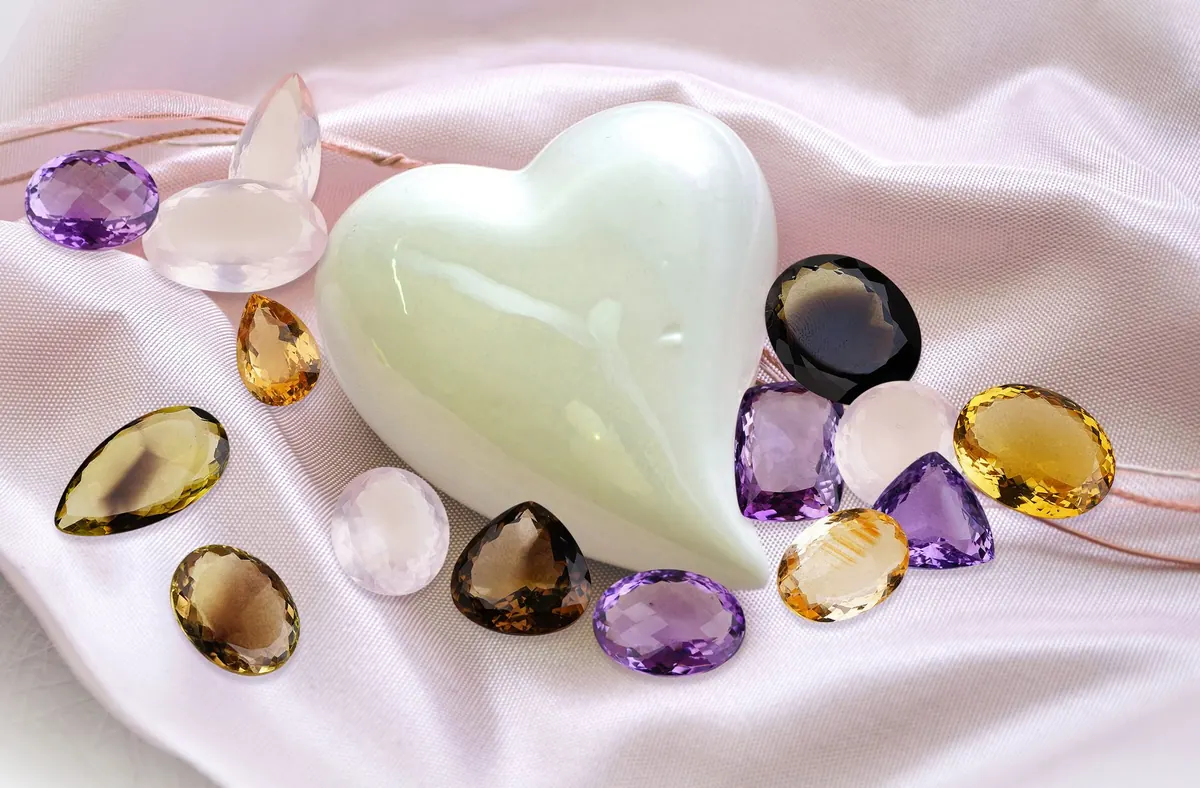
Photo: kalhh / Pixabay