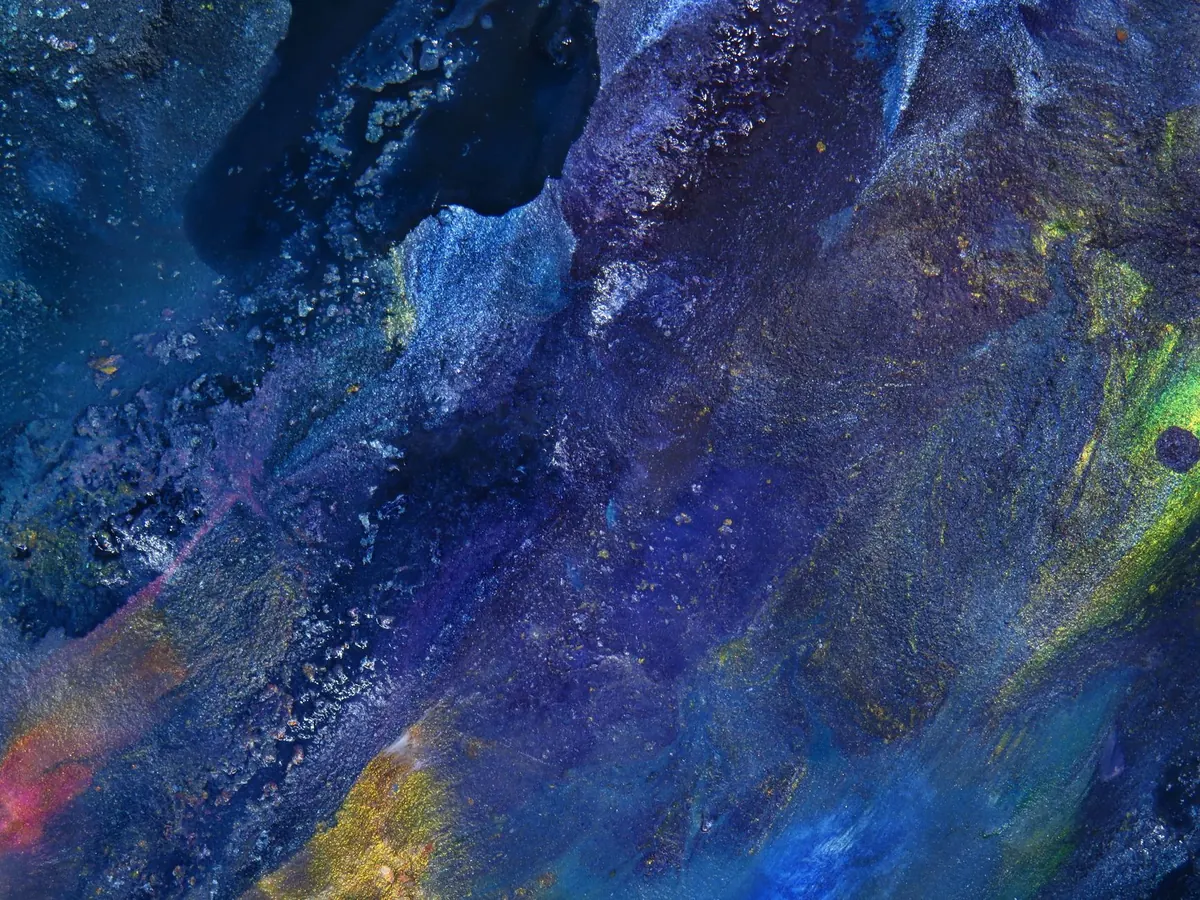
An opal is one of the few gemstones that can look completely different in two photographs taken minutes apart. That is not a fault of the stone. It is the nature of the material. Play-of-color shifts with the angle of the light, the color of the background, and the direction the camera is pointed. So when you are shopping online and the only thing between you and a purchase is a set of images, you need to read those images like an editor rather than a browser. Not suspiciously, just carefully. The good sellers expect it, and they make it easy.
Below is the routine worth running through before you commit. It takes about five minutes per piece, and it will save you from most of the disappointments that show up when a parcel is opened.
Start with the lighting, not the color
Before you admire anything, work out how the photo was lit. Most decent opal photography uses one of three setups: soft diffused daylight, a direct light source such as a lamp or flash, or a light box with a neutral background. Each tells you something different, and none of them is dishonest on its own.
Diffused light is the fairest way to see an opal. Shadows are gentle, the body tone reads evenly, and the color play appears roughly as it will on a cloudy afternoon. Direct light is where opals look their most dramatic, because a point source exaggerates brightness and depth. That is fine as long as you also get a diffuse shot. Be wary when every single image is a close-up under a strong beam against black. That combination flatters almost any opal, including one that looks flat in ordinary room light.
Two small signals are worth watching for:
- Reflections in the surface. A crisp rectangle of window or a bright ring of lamp tells you the light was close and strong. Expect the real stone to be a little calmer.
- Inconsistent white balance. If the skin tone of a hand in the frame looks grey, or the background shifts from warm to cool between shots, the camera is struggling. Color rendering in that set is not reliable.
Ask for one photo in daylight, out of direct sun, on a plain white surface. A seller who can supply it is usually a seller who knows their stock.
Check the scale before you fall for the stone
Macro photography makes a five-millimetre opal fill a screen. This is the single most common source of letdown in online opal buying, and it has nothing to do with anyone trying to mislead you. It is simply how close-up lenses work.
Look for a reference point in at least one image. A ruler, a caliper, a coin, or a hand with visible fingernails. If you only get a hand, remember that hands vary. Better still, find the stated dimensions in millimetres and hold a ruler against your own finger to picture it. Compare the pendant's total drop to something you already own rather than to the size of your screen.
This matters most with rings and earrings, where the opal is a small part of the whole. A 9 by 7 millimetre cabochon in a halo setting can read as substantial in a photo and quite delicate on the ear. Neither is wrong; you just want to know which one you are buying.
Read the color play as a sequence, not a single frame
Play-of-color is directional. A stone that blazes green from one angle may show almost nothing from another, and that is normal. What you want to judge is whether the color is broad across the face and whether it holds up as the stone moves, not whether one frame looks spectacular.
So look for a series. The best listings include the piece tilted in two or three positions, and ideally a short video. When you have several angles, ask yourself:
- Is the color concentrated in a narrow stripe or patch, or spread across the dome?
- Does the pattern hold together, or does it break into disconnected flecks?
- Is the body tone consistent with the description? A "dark" opal photographed against black can read darker than it is.
- Do the bright flashes appear to sit inside the stone, or only on the surface?
Surface shine is a useful distinction. A glossy top will reflect a highlight; genuine play-of-color moves as the angle changes, even when the light stays put. If the video shows a still camera and a still stone, you cannot judge the second quality at all.
Hunt for the flaws a camera can smooth over
Opals are honest stones once you know what you are looking at. Crazing, sand spots, pits, and fine surface-reaching cracks all show up in a sharp, well-lit photograph, if the photograph is sharp and well lit. Your job is to check the areas a seller might not have framed deliberately.
Zoom in on the edges of the cabochon, where the dome meets the setting. Look at the lower third of the stone, which often falls into shadow. On a triplet or doublet, look for the glue line at the side, since that join is where lifting and cloudiness tend to start. On a solid opal, look for a fine network of lines across the face, especially near the rim.
Then look at the metal. Prong tips should sit evenly on the stone. A claw that appears to float, or one that digs noticeably into the surface, is worth a question even if the opal itself is lovely.
Ask for the angles that are missing
Every listing has a blind spot. Before you buy, request the specific views that would settle your remaining doubts. It is a completely ordinary request, and the answer tells you as much as the photo does.
- A straight-on shot of the back of the setting, showing the gallery and any hallmark.
- A side profile, so you can see how high the stone sits and how thick the dome is.
- The stone under diffuse daylight with no direct beam.
- A short clip where the piece rotates slowly in a fixed light.
While you are at it, confirm three things in writing: the exact dimensions in millimetres, the carat weight, and whether the opal is solid, a doublet, or a triplet. Those categories behave differently over time and should never be left to guesswork. If the piece is a gift for someone with an active lifestyle, it is also fair to ask how the setting protects the stone, since opals are softer than sapphire or diamond and dislike knocks.
The five-minute check before you click buy
Open every image at full size and run the same pass each time. Lighting first: can you identify the source, and is there a diffuse shot? Then scale: is there a ruler, a coin, or a stated measurement you have pictured against your own hand? Then color: do you have more than one angle, and does the play hold as the stone turns? Then the edges, the back, and the setting. Finally, note what is missing and ask for it.
One more habit worth keeping: save the images and the description text somewhere you can find them again. When the parcel arrives, you can compare the stone on your own table with the photographs that persuaded you. Good sellers come out of that comparison well. And if you are spending a meaningful amount on a piece, remember that a qualified gemologist or jeweller can examine it in person, and that independent appraisal is the sensible route for anything you are treating as an investment. Photos get you most of the way there. They cannot quite replace a loupe and a steady hand.
Photo: Anni Roenkae / Pexels